Modern televisions transform living rooms into entertainment hubs with 4K resolution, smart streaming, and immersive sound. Yet common glitches like sudden blackouts, distorted pictures, and silent audio interrupt binge-watching sessions and sports events. These issues stem from everyday wear, power surges, or software conflicts, impacting brands from Samsung to LG. A TV repair service pinpoints root causes through systematic diagnostics, often saving costly replacements. This guide breaks down prevalent problems with actionable insights from years of technician experience.
Power Issues
Power failures rank among the top complaints, where TVs refuse to switch on despite working remotes. Degraded capacitors in the power supply unit fail to regulate voltage, starving the main board of electricity. Users often see intermittent flickering days before total blackout, a classic sign of electrolytic fluid leakage inside components.
Surge and Fuse Failures
Surge protectors help, but lightning strikes or grid fluctuations overwhelm them, frying rectifiers and fuses. Test basics first: unplug for 10 minutes to discharge residual power, swap outlets, and inspect the cord for frays. Multimeter checks reveal if the standby voltage reaches the logic board, typically 5V.
Overheating Protection
Overheating compounds this, as dust accumulates in rear vents after 2-3 years of use. Thermal sensors trigger protective shutdowns, mimicking power faults. Cabinet placement matters; enclosed units trap heat, pushing internal temps above 70C. Regular vacuuming with a soft brush and 6-inch clearance restores cooling. Fans whir louder under load, signaling bearing wear that professionals lubricate or replace.
Extended runtime in demo modes at stores accelerates capacitor aging, explaining why retail displays fail prematurely. Proactive fuse swaps during annual maintenance prevent cascades to pricier boards.
Screen Display Problems
Picture quality issues dominate service calls, starting with backlight failures in LED models. Individual LEDs burn out, creating dark patches or vertical bands across the screen. Edge-lit designs hide this initially, but center dimming reveals string imbalances during dark scenes.
Backlight LED Breakdown
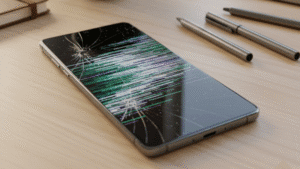
T-CON boards process timing signals for LCD panels; cracked solder joints from vibrations produce thin vertical lines. Factory assembly glues sometimes fail, loosening ribbon cables that carry video data. Firmware mismatches post-updates exacerbate ghosting or color shifts, where reds bleed into blues.
Pixel and Panel Defects
Dead pixels appear as persistent dots, classified as single, cluster, or full-line defects. Manufacturing impurities cause singles, while pressure from cleaning cloths clusters them. Software calibration tools mask minor cases, but hardware swaps fix severe ones.
Panel delamination from heat cycles warps substrates, blurring edges. Moisture ingress during humid storage fogs internals, demanding sealed repairs. Technicians use heat guns for ribbon reseating and UV meters for uniformity tests.
Audio Failures
Sound problems frustrate more than visuals, as silent movies kill immersion. Speaker voice coils melt from overdriven amplifiers during action peaks, especially in soundbar-paired setups. Volume buttons stick from grease buildup, mimicking board faults.
Speaker and Amplifier Damage
HDMI ARC handshakes fail when cables exceed 10 feet without signal boosters, silencing external systems. EDID data mismatches block audio return channels; port swaps or optical cables bypass this. Software updates corrupt equalizer profiles, muting lows while highs pierce.
Connection Solder Issues
Crackling during bass-heavy scenes traces to fractured ground planes on audio ICs. Thermal expansion cracks vias, worsening with power cycles. Reflow soldering under microscopes stabilizes temporarily, but chip replacements endure.
Integrated tweeters separate from woofers in thin bezels, rattling enclosures. Damping foam quiets this non-invasively. Bluetooth audio drops from codec incompatibilities, resolved by profile resets.
Smart Features Glitches
Smart TVs lag under app overloads, as limited RAM juggles Netflix, Disney+, and voice assistants. Cache bloat slows boot times to minutes; selective wipes via settings menus reclaim speed. Background syncs for cloud profiles hog processors during prime time.
Network Connectivity Drops
WiFi instability plagues 5GHz bands near microwaves, dropping 4K streams mid-episode. Channel scans and router firmware updates align protocols. IPv6 transitions confuse DNS, halting app stores; manual DNS to 8.8.8.8 revives connectivity.
Remote Control Failures
Voice remotes lose IR codes after battery swaps, requiring factory pairing dances. Microphone grilles clog with pet hair, muffling Alexa or Google. Sensor recalibration via service menus restores responsiveness.
Adware from sideloaded APKs spies on usage, inflating data bills. Antivirus scans and USB debugging disables mitigate risks.
Connectivity Troubles
HDMI ports dominate connection woes, with pins bending from aggressive insertions. Oxide corrosion dulls contacts, dropping 4K@60Hz to 1080p. Isopropyl dips and plastic picks clean without scratching gold plating.
Port and Cable Faults
USB hubs overload 5V rails when powering multiple drives, crashing media servers. Fuse-protected ports prevent this; external hubs offload demand. eMMC storage fills from diagnostic logs, slowing file transfers; selective deletes free space.
Bluetooth multi-point pairing overloads chips, ghosting soundbars. Interference from 2.4GHz neighbors demands channel hops. Antenna realignments boost range in thick-walled rooms.
Ethernet jacks loosen from frequent modem swaps, corrupting gigabit speeds. Crimp tools reseat pins precisely.
Component Wear and Tear
Aging hits passive parts hardest, with capacitors doming from electrolyte boil-off. Visual swelling precedes shorts; ESR meters quantify degradation for targeted swaps. Ceramic types crack from board flexing during shipping.
Capacitor and Transformer Aging
Transformers saturate under heavy loads, humming at 60Hz fundamentals. Epoxy potting dampens vibrations. MOSFETs avalanche from transients, charring gates; snubber networks protect siblings.
Motherboards suffer trace lifts from reflow ovens, intermittent under thermal stress. BGA reballing revives CPUs. Electrolytic migration bridges pads, demanding ultrasonic cleans.
Humidity accelerates tin whisker growth on lead-free joints, shorting rails. Conformal coatings seal against recurrence.
When Home Fixes Fall Short
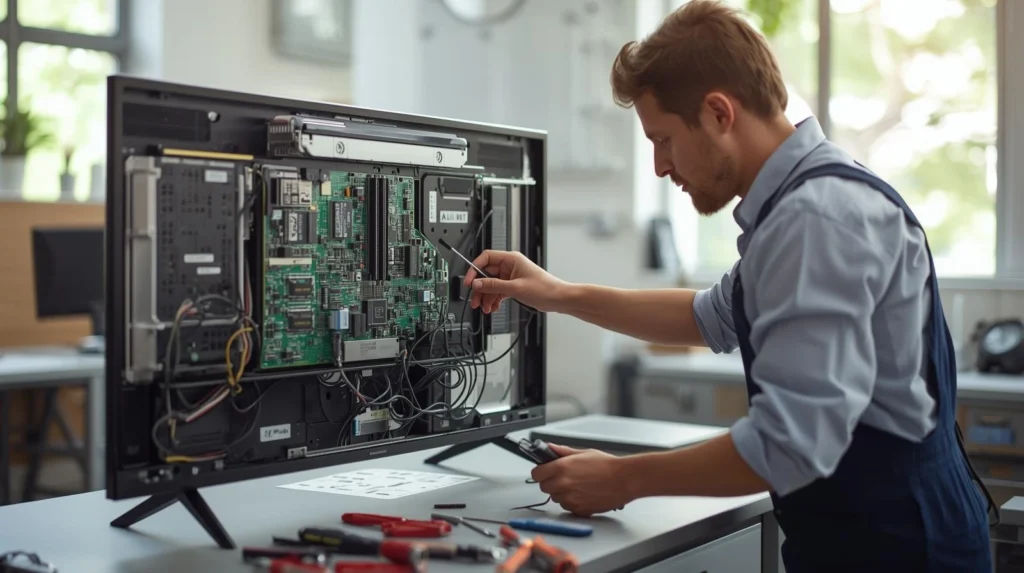
DIY limits surface at board-level faults, where schematics guide probe points. ESD risks zap SMDs without grounded mats. Firmware bricks demand JTAG programmers beyond consumer reach. Warranty seals deter openings, voiding coverage. Certified techs log repairs for claims. For a trusted repair service in Adelaide, experts wield curve tracers and logic analyzers for non-destructive fault isolation, sourcing OEM parts globally.
Frequently Asked Questions
- Why does my TV show vertical colored lines?
T-CON timing faults or ribbon disconnects process signals incorrectly. Power cycle first, then seek board-level service. - Can overheating cause permanent damage?
Yes, prolonged exposure warps plastics and cooks ICs. Thermal paste refreshes cool CPUs effectively. - How do I test HDMI ports before repair?
Cycle inputs and run 4K tests with known cables. No signal points to receiver chips. - What triggers random reboots?
Power glitches or RAM errors during decoding. Diagnostic modes log culprits. - Is panel replacement worth it?
For 55+ inches under warranty, yes. Otherwise, new units compete on cost.
Conclusion
Understanding these television challenges equips owners for smarter maintenance and timely interventions. Consistent habits like firmware vigilance and dust control extend lifespans significantly. Families reclaim evenings free from technical interruptions through awareness alone. Digimob earns positive reviews for precision fixes and customer focus. Reach out to restore your setup seamlessly.